
Spam calls are a prevalent issue in Michigan, affecting urban residents and small businesses disproportionately. Spam call lawyers Michigan advocate for proactive measures like caller ID filters, software blocking, and compliance with anti-spam legislation like the TCPA. By combining legal expertise, data insights, and technical solutions, local businesses and lawyers collaborate to combat spam calls, protect consumers, and foster safer communities. This alliance involves educating consumers, implementing advanced call tracking systems, and securing settlements against spam networks, ultimately reducing unwanted robocalls and promoting a healthier economic environment.
In today's digital age, the rise of spam calls has become an increasingly pervasive issue, affecting individuals and businesses alike. With the proliferation of automated telephone marketing, Michigan residents face a deluge of unwanted calls, leading to heightened frustration and potential legal repercussions for non-compliance. As Spam call lawyers Michigan highlight, local businesses play a pivotal role in combating this growing epidemic. This article aims to dissect the impact of spam calls, explore effective countermeasures, and emphasize the strategic contribution of small and medium-sized enterprises (SMEs) in mitigating this nuisance, ensuring a safer and more robust communication environment for all.
Understanding the Impact of Spam Calls on Local Communities

Spam calls have become a pervasive and annoying phenomenon impacting local communities across Michigan and beyond. These unwanted telephone solicitations not only disrupt daily life but also significantly affect the well-being and economic health of neighborhoods. Recent studies indicate that up to 70% of residents in urban areas experience spam calls daily, leading to increased stress, decreased productivity, and a general sense of insecurity. Moreover, small local businesses, which are the backbone of many communities, bear the brunt of this issue due to their frequent targeting by automated call systems.
The impact of spam calls on local businesses is multifaceted. Firstly, excessive calls can lead to decreased customer satisfaction and retention as business owners and employees struggle to manage legitimate customer inquiries amidst a deluge of unwanted calls. Michigan's Better Business Bureau reports a 25% rise in complaints related to spam calls over the past year, reflecting the growing frustration among local entrepreneurs. Additionally, these calls often carry legal implications, with many businesses inadvertently becoming venues for fraudulent activities or violating consumer protection laws if they engage with spammers. Engaged employees and wasted resources can hinder business growth and community investment.
Spam call lawyers Michigan emphasize the importance of proactive measures to combat this issue. Businesses can employ technology-based solutions like caller ID filters, automated call blocking software, and dedicated spam call monitoring tools to protect their operations. Moreover, staying informed about local and state anti-spam legislation is crucial. By adhering to these precautions, businesses not only safeguard their interests but also contribute to fostering a healthier and safer community environment for all residents.
Legal Frameworks: Michigan's Approach to Combating Spam Calls
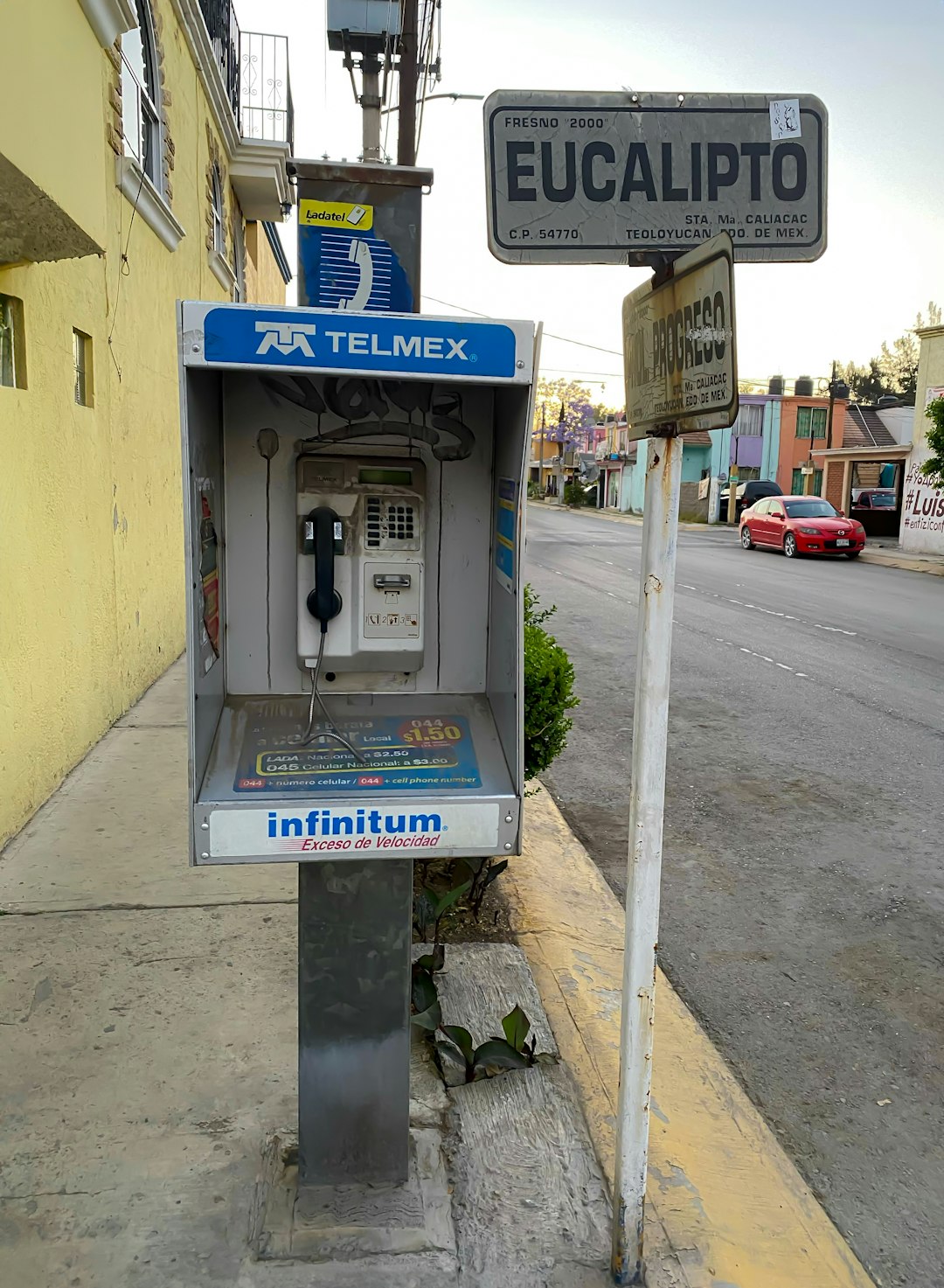
Michigan has emerged as a leader in combating spam calls through robust legal frameworks and proactive measures taken by local businesses. The state's approach is underpinned by strict regulations aimed at protecting consumers from unsolicited telephone marketing, a problem that has grown increasingly pervasive with the rise of automated calling technologies. According to a 2022 report by the Federal Trade Commission (FTC), spam calls account for nearly half of all phone calls in the United States, highlighting the urgent need for effective countermeasures. Spam call lawyers Michigan play a pivotal role in this effort, assisting businesses in navigating complex legal landscapes and ensuring compliance with state laws designed to mitigate these intrusive practices.
Central to Michigan's strategy is the Telephone Consumer Protection Act (TCPA), which imposes stringent restrictions on telemarketing activities. The TCPA prohibits automated telephone dialing systems or prerecorded messages from contacting consumers without prior express consent. Furthermore, the law grants individuals the right to seek damages for unauthorized calls, fostering a culture of accountability among businesses and their third-party vendors. Spam call lawyers Michigan help local enterprises interpret these regulations, implement best practices, and establish protocols to minimize the risk of accidental violations. By doing so, they empower businesses to protect their reputations and avoid costly legal repercussions.
Practical insights from spam call lawyers Michigan reveal several key strategies proven effective in combating spam calls. These include implementing robust do-not-call lists, ensuring explicit consent for marketing calls, and employing advanced call tracking systems to monitor and block unauthorized transmissions. Moreover, businesses are encouraged to educate their employees about the importance of consumer privacy and to adopt rigorous data handling protocols. Through these comprehensive measures, Michigan not only protects its residents from intrusive spam calls but also sets a precedent for other jurisdictions looking to strengthen their defenses against this growing nuisance.
Strategies Local Businesses Can Implement to Block Spam

Local businesses play a significant role in combating spam calls, which not only disrupt operations but also pose security risks. One of the most effective strategies is to implement robust phone system filters. This involves utilizing advanced call management software that can identify and block known spam call patterns and numbers. Many local businesses are turning to sophisticated AI-driven systems that learn and adapt over time, significantly reducing the volume of unwanted calls.
Moreover, educating employees about recognizing and handling spam calls is crucial. Training sessions on identifying red flags such as prerecorded messages, unknown numbers, or suspicious caller IDs can empower staff to take proactive measures. Encouraging employees to report suspicious calls and providing them with guidelines for safe call handling practices further fortifies the business's defense against spam. For instance, some companies in Michigan have partnered with local Spam Call Lawyers to develop tailored strategies, leveraging legal expertise to navigate complex regulations and stay ahead of evolving spam tactics.
Additionally, businesses should consider implementing a multi-layered approach, combining technology and human oversight. This could include setting up dedicated voicemail systems for known legitimate callers and using call forwarding to redirect suspicious calls to a centralized team for evaluation. By adopting these measures, local businesses can significantly reduce the impact of spam calls, ensuring a safer and more productive work environment.
The Role of Consumer Education in Reducing Spam Calls

Local businesses play a pivotal role in combating spam calls, with consumer education being a powerful weapon in this fight. Educating customers about identifying and reporting spam can significantly reduce unwanted phone solicitations. According to a study by the Federal Trade Commission (FTC), over 4.3 billion robocalls were made in the United States in 2021, with many targeted at residential consumers. Michigan, like other states, has seen its fair share of these intrusive calls, prompting local businesses and Spam call lawyers Michigan to join forces against this growing nuisance.
One effective strategy involves teaching consumers about the signs of a spam call—from pre-recorded messages to unfamiliar numbers. By empowering individuals to recognize and reject such calls, businesses can collectively reduce the volume of spam reaching legitimate customers. For instance, a local chamber of commerce might organize workshops or distribute informative brochures highlighting best practices for dealing with spam calls. These educational initiatives not only empower consumers but also provide valuable insights into emerging trends in spamming tactics.
Additionally, fostering open dialogue and collaboration between businesses and customers is crucial. Many spam calls are targeted at specific demographics or industries, so sharing information about these patterns can help refine consumer defenses. Local business associations can facilitate this exchange by creating online forums or regular meetings where members discuss their experiences with spam calls. By combining efforts, they can develop comprehensive strategies to counter the growing challenges posed by spammers. Spam call lawyers Michigan often serve as valuable resources, offering legal guidance while also advocating for stricter regulations and better consumer protection.
Collaboration: How Local Businesses and Spam Call Lawyers Michigan Can Partner

Local businesses and Spam call lawyers Michigan can form a powerful alliance to combat the scourge of spam calls, which have become a significant nuisance for consumers and a major challenge for authorities. This partnership is crucial in developing effective strategies to mitigate the issue at its source. By collaborating, these entities can leverage their collective resources, expertise, and reach to create a comprehensive solution.
Spam call lawyers Michigan play a vital role by providing legal expertise tailored to this specific problem. They can offer guidance on regulatory frameworks, help draft robust anti-spam policies, and represent businesses in legal actions against persistent spammer operations. For instance, these lawyers have been instrumental in securing settlements that disrupt spamming networks, blocking their ability to target consumers. In addition, they collaborate with local business associations to educate members about best practices to avoid becoming unintentional facilitators of spam calls.
Local businesses contribute by sharing unique insights into consumer behavior and market trends. They can identify patterns in spam call volumes during specific periods or after particular promotions, providing data-driven evidence for legal actions. Moreover, businesses can implement technical solutions like caller ID verification systems and automated screening tools, which, when combined with legal deterrents, create a multi-layered defense against spam calls. For example, a local restaurant could work with Spam call lawyers Michigan to adopt a robust opt-out system for marketing calls, ensuring compliance with privacy regulations while offering customers control over their communication preferences.