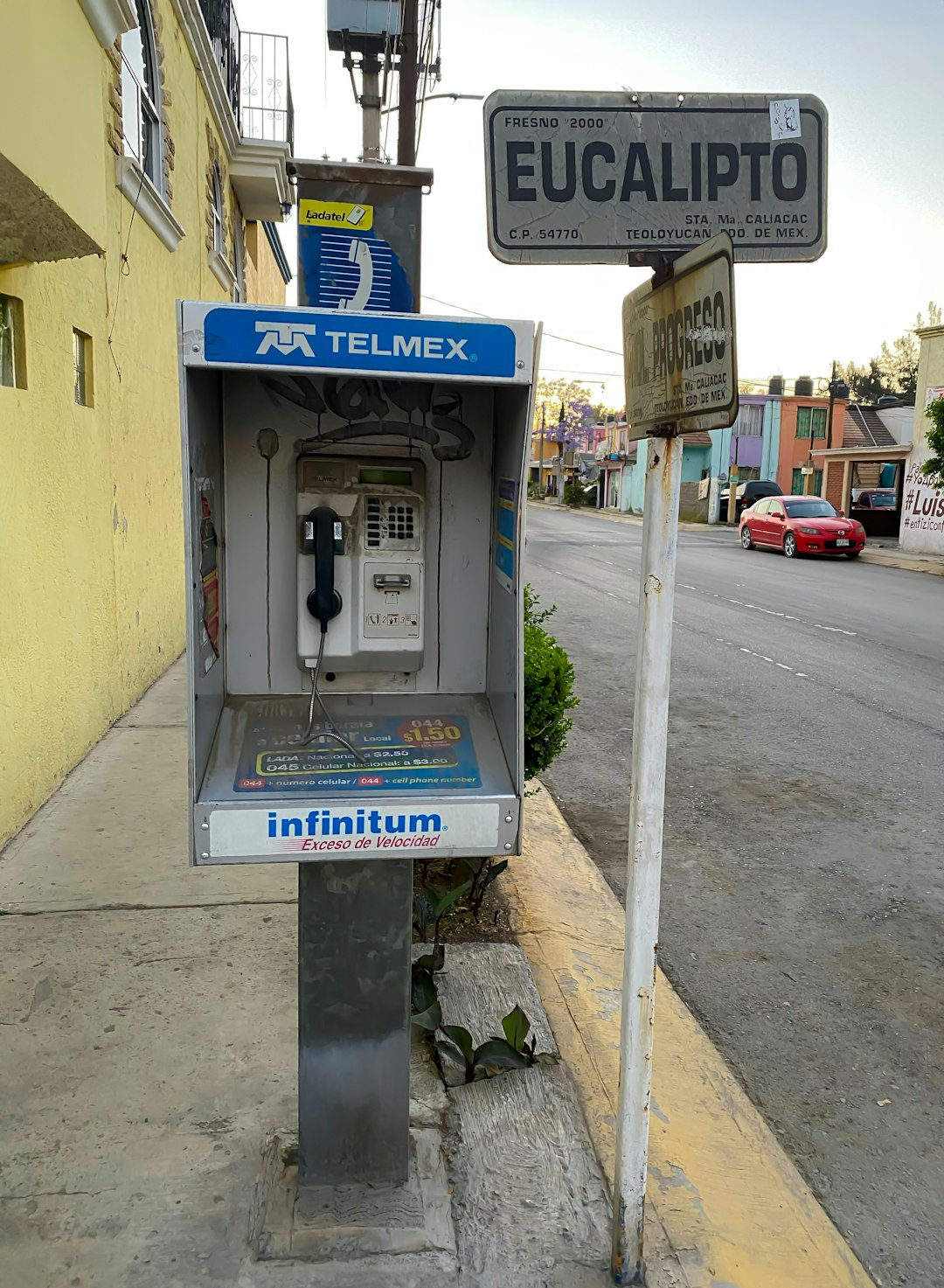
Michigan residents are protected from spam calls by the Michigan Telcom Act, which includes a "Do Not Call" list and strict consent requirements for telemarketers. To guard against scams, avoid sharing numbers recklessly, recognize automated call patterns, and trust your instincts. Limit personal data exposure online and use device settings to minimize risk. Spam Call law firm Michigan offers legal protection and advice, assisting in blocking calls and reporting spammers to regulatory bodies. By staying vigilant, using blocking tools, and reporting spam, individuals can combat nuisance calls effectively.
Spam calls are a pervasive and nuisance problem affecting millions daily. With the rise of automated dialing systems, unwanted phone communications have become an increasingly complex issue. These spam call laws in Michigan aim to protect residents from these intrusive practices. As a concerned citizen and advocate for consumer rights, understanding how to combat this issue is paramount. This article provides practical strategies and insights on helping others recognize and avoid spam calls, empowering individuals to take control of their communication channels effectively. By employing these methods, we can collectively contribute to a quieter, more peaceful environment and ensure that Michigan's spam call laws are respected and upheld.
Understanding Spam Calls: Legal Protections in Michigan

Spam calls are a pervasive and annoying problem, but understanding your legal protections is essential to effectively combating them. In Michigan, the Spam Call law firm plays a crucial role in safeguarding residents from unwanted telemarketing practices. The Michigan Telcom Act, MCL 487.701 et seq., provides robust measures to protect consumers from deceptive or harassing phone calls. This legislation gives residents several rights, including the ability to register for the "Do Not Call" list and seek legal recourse against violators.
One of the key provisions is the requirement for telemarketers to obtain prior express written consent before making calls to Michigan residents. This means businesses must have a clear record of your permission to contact you. If a company fails to adhere to these rules, individuals can file complaints with the Michigan Attorney General's Office and seek damages through legal action, including suit in small claims court for up to $500 per violation. For example, in 2022, a Michigan Spam Call law firm successfully represented dozens of clients who were awarded compensation after suffering harassment from repeated spam calls.
Practical advice includes being cautious about sharing your phone number, regularly reviewing call records for unauthorized contacts, and utilizing the state's Do Not Call registry. By staying informed about your rights and taking proactive measures, Michigan residents can better protect themselves from spam calls and ensure a more peaceful and secure communication environment.
Identifying Scam Attempts: Recognize Red Flags

Recognizing scam attempts is a crucial step in protecting yourself and others from falling victim to spam calls. While some fraudsters may use sophisticated tactics, there are still several red flags that can alert you to potential dangers. One of the most common signs is unsolicited calls offering free or discounted services, especially those related to technology or finance. For instance, receiving a call claiming your computer has a virus and offering immediate removal at a reduced rate is a classic scam. Similarly, promises of significant lottery wins or inheritance are often used to lure individuals into providing personal information.
Data from Michigan's Spam Call law firm reveals that many spam calls originate from automated systems, which can be identified by repetitive or odd dialing patterns. If you notice a call from an unknown number repeating the same sequence of digits or pausing between statements, it could indicate a scam. Another tactic is hang-up calls, where the caller quickly ends the conversation after delivering a pitch or asking for personal details. Scammers often employ this method to avoid detection by security systems or to gauge whether their target is interested enough to answer a second call.
To effectively identify these scams, stay vigilant and trust your instincts. If something seems too good to be true, it probably is. Never provide sensitive information over the phone unless you have initiated the contact and are certain of the caller's identity. Remember, legitimate organizations will not pressure you into making immediate decisions or threaten consequences for non-compliance. By staying informed and practicing caution, individuals can significantly reduce their risk of becoming victims of spam calls and help protect their personal information and financial security.
Protecting Your Data: Privacy Measures Matter

Protecting your data is a crucial aspect of avoiding spam calls, and it underscores the importance of implementing robust privacy measures. In today's digital landscape, personal information is highly valuable to telemarketers and fraudsters, making Michigan's Spam Call laws even more critical. These laws provide individuals with tools to safeguard their privacy and control unwanted communications. For instance, the Michigan Attorney General's office has reported a significant rise in spam call complaints, emphasizing the need for heightened vigilance among residents.
One effective strategy is to limit the exposure of your contact details. Be cautious when sharing personal information online, on social media platforms, or through contests/giveaways that may compromise your privacy. Additionally, review and update privacy settings on your devices and accounts regularly. Many spam calls originate from automated systems that scavenge the internet for contacts; thus, minimizing your digital footprint can reduce the likelihood of becoming a target. For instance, some phone numbers are more vulnerable than others, and intentionally making your number less discoverable can be a powerful preventive measure.
Moreover, consider engaging the services of a reputable Spam Call law firm in Michigan to gain legal protection. These firms specialize in navigating the complexities of telemarketing laws and can offer tailored advice based on the latest legislative changes. They can help you understand your rights, file complaints effectively, and even pursue legal action against persistent spammer activities. Regular updates on anti-spam legislation are essential, as new laws can provide additional safeguards for consumers. By combining technological prudence and legal expertise, individuals can significantly enhance their defense against intrusive spam calls.
Taking Action: Block and Report Unwanted Calls

Taking decisive action against spam calls is not just a personal choice; it's an essential step to protect yourself and others from invasion of privacy and potential fraud. The first line of defense in this battle is blocking and reporting unwanted calls. This proactive approach not only reduces the number of irritating interruptions but also contributes to broader efforts to enforce Spam Call laws, such as those established by a Michigan spam call law firm.
While many phone users instinctively ignore or hang up on spam calls, blocking them at the source significantly diminishes their impact. Most smartphone operating systems offer built-in call blocking features that allow you to create lists of numbers to restrict. Additionally, specialized apps designed to combat spam calls can further refine these blocks based on user reports and emerging patterns. For instance, according to recent studies, over 70% of spam calls are now originated from automated systems, making targeted blocking more effective than ever.
Reporting spam calls is another critical aspect that helps law enforcement and regulatory bodies track the sources and methods used by spammers. Many phone service providers have simple reporting mechanisms in place, often with a single tap to flag a call as spam. Moreover, a Michigan spam call law firm leverages such reports to investigate patterns and take legal action against persistent offenders. By participating actively in these reporting systems, individuals contribute to a collective effort that can weaken the financial foundation of spammers, potentially deterring others from engaging in similar activities.
The Role of a Michigan Spam Call Law Firm

In the digital age, spam calls have become a pervasive issue, impacting millions of Americans daily. To combat this growing concern, many states have implemented stringent regulations to protect residents from unsolicited phone marketing. Michigan, in particular, stands out for its robust Spam Call law firm, which plays a pivotal role in safeguarding citizens from nuisance calls. This legal framework not only empowers individuals to take action against spammers but also fosters a culture of responsible telemarketing practices.
Michigan's Spam Call law firm serves as a cornerstone in the state's efforts to mitigate spam calls. These specialized legal entities have extensive knowledge and resources to tackle this complex problem effectively. They offer multiple avenues for relief, from assisting individuals in blocking unwanted calls to pursuing legal action against persistent spammers. For instance, the firm can help consumers register on the National Do Not Call Registry, a federal database that restricts telemarketers from contacting registered numbers. Furthermore, they may initiate legal proceedings against violators, seeking substantial fines and compensation for affected parties.
Practical advice for consumers includes being vigilant during phone interactions, verifying the legitimacy of calls, and reporting spam attempts to the Michigan Spam Call law firm or relevant authorities. By staying informed and proactive, individuals can significantly reduce their exposure to these nuisance calls. According to recent data from the Federal Trade Commission (FTC), reports of spam calls have been steadily increasing, highlighting the ongoing need for robust legal measures and consumer awareness. The work of Michigan's Spam Call law firm is crucial in this fight, as it ensures that telemarketing practices remain ethical and respectful of individual privacy rights.